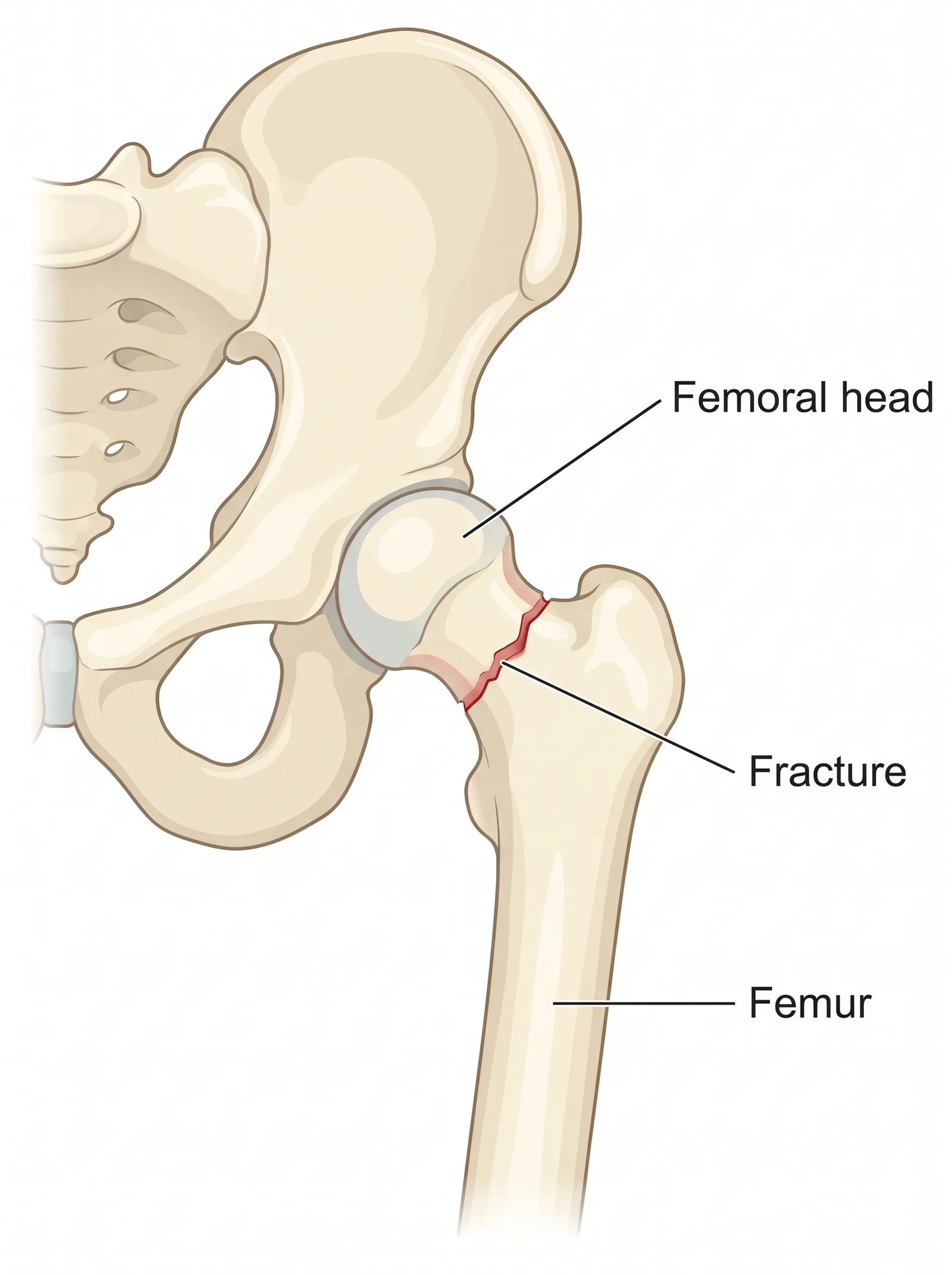
Dr. Wodicka treats fractures, or broken bones, in Fort Lauderdale. Many fractures heal with a cast or brace and monitoring, while some need a procedure to realign and hold the bone. Dr. Wodicka evaluates each fracture and guides both non-surgical and surgical care.
Ross Wodicka diagnoses and treats fractures (broken bones) in Fort Lauderdale, from the first visit through recovery.
What is Fractures (Broken Bones)?
A fracture is a break in a bone.
It can be a thin crack or a complete break, and the bone pieces may stay lined up or shift out of place.
Fractures happen from falls, sports, car crashes, and, in weaker bone, from lesser forces. Common signs are pain, swelling, bruising, and trouble using the injured part. A bone that looks bent or out of shape suggests the pieces have moved.
Most fractures heal well when the bone is held in good position while it mends. Whether that needs a cast or a procedure depends on the bone, the pattern, and how far the pieces have shifted.
How is Fractures (Broken Bones) diagnosed, and what does the visit involve?
Dr. Wodicka examines the injured area for tenderness, swelling, and deformity, and checks nearby nerves and blood flow.
X-rays confirm most fractures and show the pattern. A computed tomography scan, called a CT, gives a detailed view when the fracture is complex or involves a joint.
What is recovery like for Fractures (Broken Bones)?
Healing time varies by bone and by person, often ranging from several weeks to a few months, according to general guidance from the American Academy of Orthopaedic Surgeons.
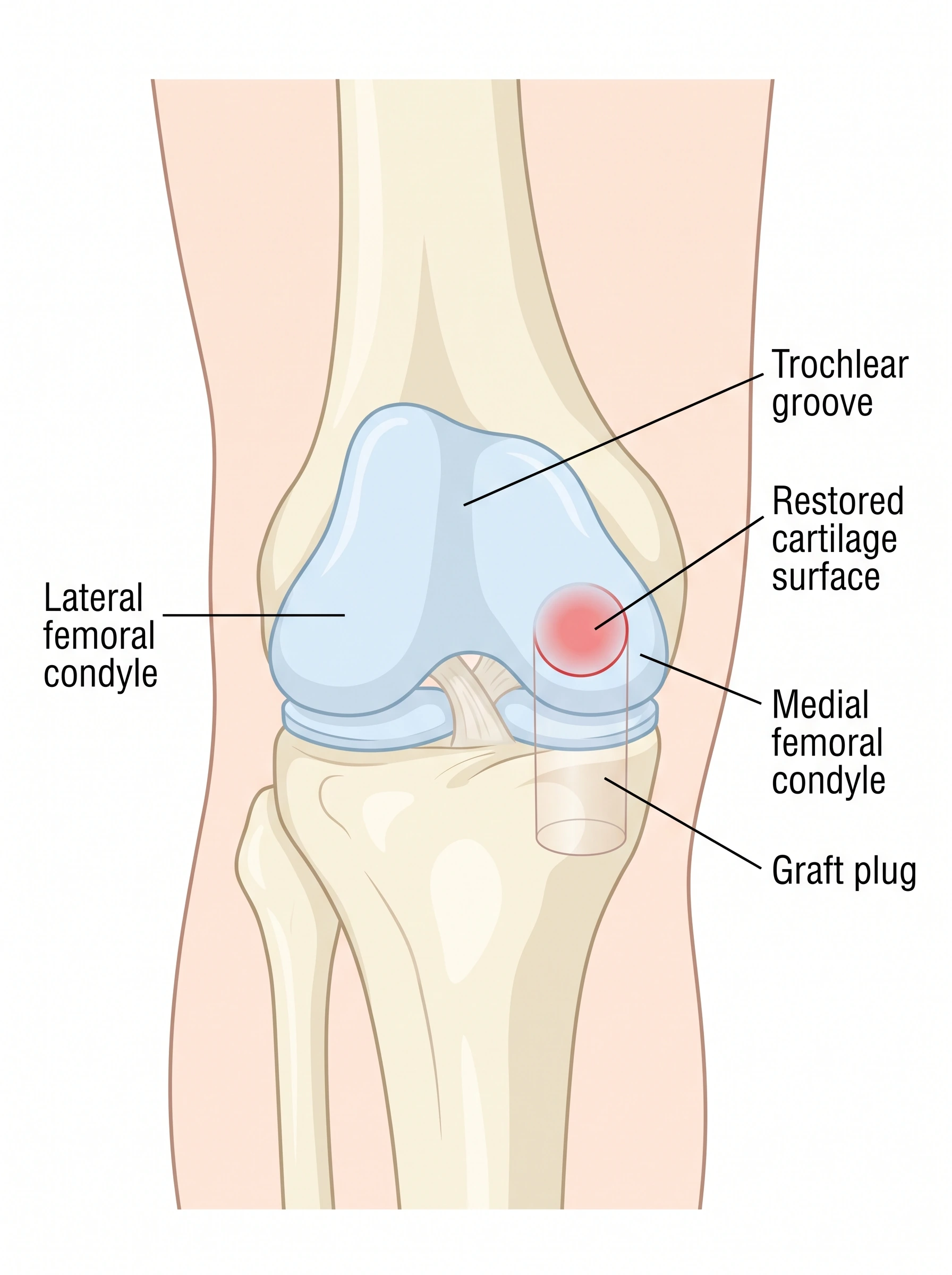
These are ranges, not promises. Simple fractures held in a cast are monitored with follow-up X-rays. Fractures that are unstable or involve a joint may need surgery to help the bone heal in good position.
What do patients ask most?
How do I know if a bone is broken or just bruised?+
Do all fractures need surgery?+
How long does a broken bone take to heal?+
What is a closed reduction?+
What are the treatment options?
- 01First aid and imaging to confirm the fracture and its patternFirst aid and imaging to confirm the fracture and its pattern.
- 02A cast, splint, or brace to hold a well-aligned bone while it healsA cast, splint, or brace to hold a well-aligned bone while it heals.
- 03Closed reduction, gently realigning the bone without an incision, when pieces have shiftedClosed reduction, gently realigning the bone without an incision, when pieces have shifted but can be set.
- 04Activity changes and protected weight-bearing as guidedActivity changes and protected weight-bearing as guided.
- 05Surgery to realign and secure the bone, when a fracture is unstable, badly displaced, or iSurgery to realign and secure the bone, when a fracture is unstable, badly displaced, or involves a joint surface.
Fellowship trained at Southern California Orthopedic Institute, Los Angeles (Sports Medicine). Sees patients in Fort Lauderdale.
About Dr. Wodicka →